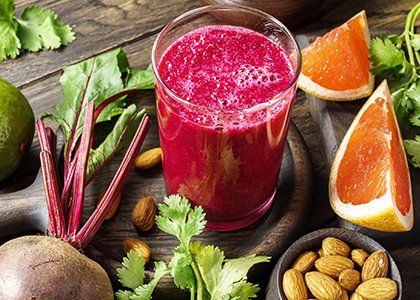
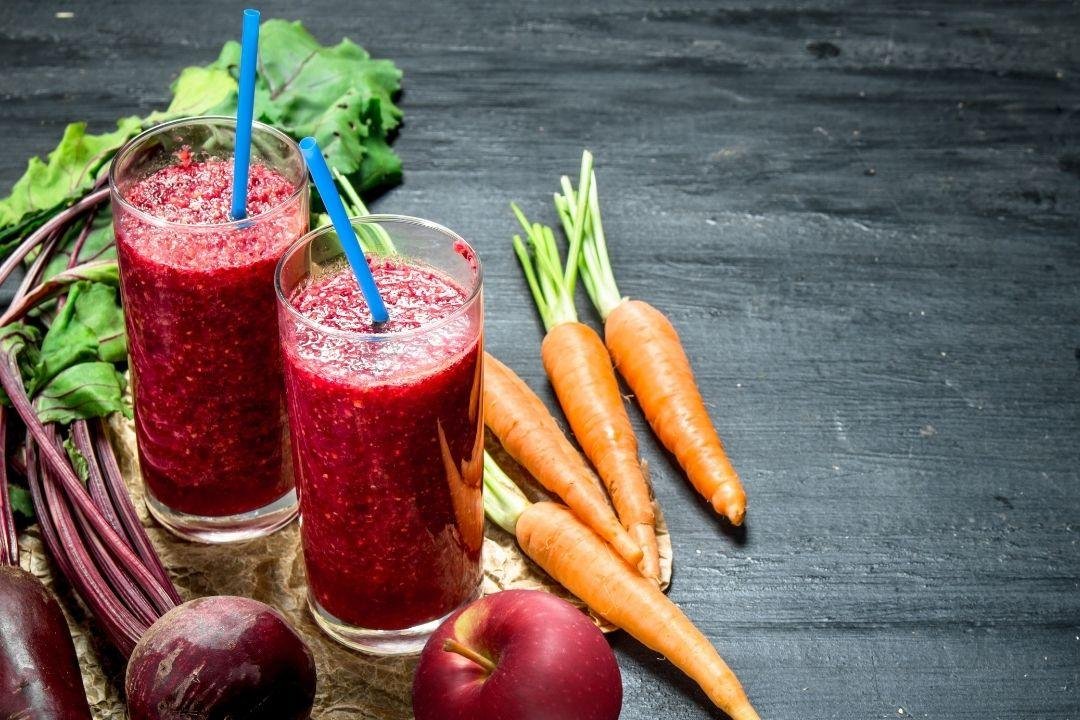
The journey into vegetable juicing begins with two powerhouse roots: the earthy, sweet beet and the vibrant, nutrient-packed carrot. This isn’t just about making a drink; it’s about crafting a vibrant, health-boosting elixir. Whether you’re a seasoned juicer or a curious beginner, exploring the world from beet to carrot opens up a spectrum of flavors and health benefits.
The Dynamic Duo: Beet and Carrot Juice
The combination of carrot and beetroot is a classic for good reason. The earthy sweetness of beetroot blends perfectly with the refreshing, slightly sweet taste of carrots, creating a drink that is both satisfying and packed with health benefits .
Key Health Benefits
- A Powerful Antioxidant Punch: Carrots are rich in beta-carotene, a precursor to Vitamin A, which is excellent for vision and immune function. Beetroot is loaded with betalains, powerful antioxidants that give it its deep color and help reduce inflammation .
- Boosts Heart Health: Beetroot is known for its high nitrate content, which can help lower blood pressure and improve blood flow. This combination supports overall cardiovascular health .
- Supports Detoxification: Together, beetroot and carrot aid the liver in flushing out toxins, thanks to their rich array of vitamins and minerals .
- Promotes Healthy Skin: The vitamins A and C in this juice help fight free radicals, contributing to glowing, healthy skin .
A Simple Beet & Carrot Juice Recipe
This recipe is fast, straightforward, and perfect for a morning pick-me-up or a post-workout refresher .
Ingredients:
- 2 medium carrots
- 1 large beetroot
- ½ inch piece of fresh ginger (optional, for a zesty kick)
- ½ lemon (optional, for brightness and Vitamin C)
- ½ cup water (if using a blender)
Instructions:
- Prep your produce: Wash all vegetables thoroughly. Peel the carrots and beetroot if they are not organic . Chop them into smaller pieces that are easy for your blender or juicer to handle.
- Juice or Blend:
- With a Juicer: Simply feed the chopped carrots, beetroot, and ginger through the juicer.
- With a Blender: Place the chopped vegetables, ginger, and water into a high-speed blender. Blend until completely smooth .
- Strain (Optional): If you used a blender and prefer a pulp-free juice, strain the mixture through a fine-mesh sieve or nut milk bag, pressing down with a spatula to extract all the liquid .
- Finish & Serve: Squeeze in the lemon juice, stir, and pour into a glass. It’s best to drink it immediately for maximum nutritional benefit .
Beyond the Basics: Expanding Your Vegetable Juice Creations
Once you’ve mastered the classic, you can start experimenting. The goal is to create a “rainbow” of nutrients by incorporating vegetables of various colors.
The ABC Juice
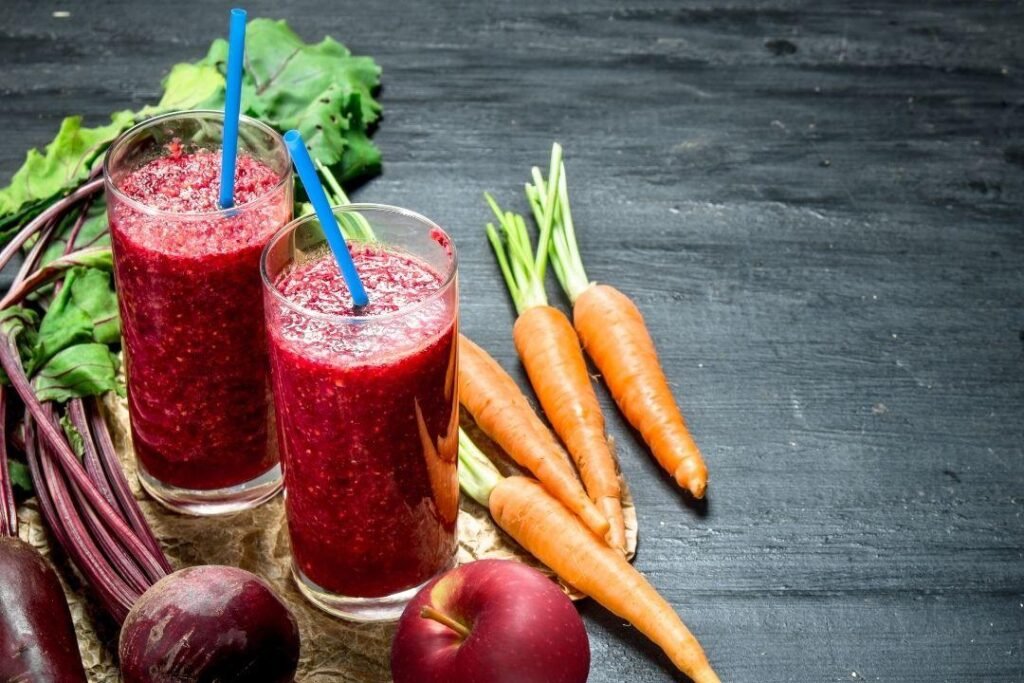
A popular variation is the ABC juice, a blend of Apple, Beetroot, and Carrot. This combines the detoxifying and heart-healthy benefits of beets and carrots with the fiber and sweetness of apples, making it even more palatable and great for glowing skin .
The Nutrient-Dense “Salad in a Glass”
For a more savory option, consider a vibrant vegetable cocktail that mimics a salad. A recipe including celery, bell pepper, carrots, tomato, and cucumber offers a wide array of vitamins, minerals, and electrolytes. It’s an excellent way to alkalize the body and consume a concentrated source of phytonutrients .
Adding Greens and Herbs
Don’t shy away from adding leafy greens. Spinach blends well with carrots and beets, contributing nutrients with minimal flavor impact . Herbs like mint can add a refreshing twist. A Bottle Gourd and Mint juice is a simple, hydrating option known for aiding digestion . Adding a handful of coriander and amla (Indian gooseberry) to your carrot and beetroot mix can create a potent, immunity-boosting drink .
Pro Tips for the Perfect Juice
- Juicer vs. Blender: A juicer separates the pulp (fiber) from the juice, giving a smooth, liquid result. A blender pulverizes the whole vegetable, creating a thicker drink that retains all the fiber. Both are excellent choices depending on your preference .
- The Importance of Freshness: The nutritional value of fresh juice degrades quickly due to oxidation . For the best taste and most health benefits, always drink your juice immediately after making it .
- Temperature Matters: When blending, use cold or ice water. This helps prevent heat from building up and destroying sensitive enzymes and vitamins .
- Get Creative with Flavor: A squeeze of lemon or lime enhances flavor and adds a boost of Vitamin C, which can also help slow down oxidation . A pinch of black salt or chaat masala can add a delightful savory twist .
Frequently Asked Questions (FAQs)
1. Is it better to drink vegetable juice on an empty stomach?
Yes, drinking vegetable juice on an empty stomach, especially first thing in the morning, can allow for faster absorption of nutrients. It can also be a gentle way to kickstart your digestion for the day .
2. Can I store fresh vegetable juice for later?
It is always best to drink fresh juice immediately. However, if you must store it, use a completely airtight glass container, fill it to the very top to minimize air, and refrigerate it immediately. For optimal nutrition, consume it within 24 hours . Cold-pressed juice stored this way may last 24-72 hours .
3. Do I need to peel my vegetables before juicing?
Peeling is often a matter of preference and safety. It is recommended to peel non-organic vegetables to remove any potential pesticide residue. If you are using organic produce, a good scrub is often sufficient, as the skin contains many nutrients .
4. What are the potential side effects of drinking beetroot and carrot juice?
While generally safe, consuming large amounts can cause beeturia, a harmless condition where your urine or stool turns a pinkish-red color. Because of its natural sugars, diabetics should consume this juice in moderation and consult with a doctor to monitor blood sugar levels .
5. Is the foam on top of my juice bad?
No, the foam is not bad. It is simply a result of air being incorporated into the juice during the blending or juicing process. While some believe the foam is rich in enzymes, others prefer to skim it off for a smoother drink .
6. What is the best way to make a smooth juice without a juicer?
The best method is to use a high-speed blender. Blend your chopped vegetables with a little water until completely smooth. Then, strain the mixture through a fine-mesh sieve, cheesecloth, or a nut milk bag to separate the pulp from the liquid .
Disclaimer: This article is for informational purposes only and does not constitute medical advice. Always consult with a qualified healthcare professional before making significant changes to your diet.