
There is something undeniably magical about the first sip of a vibrant, sun-kissed juice as the morning light filters through your kitchen window. It is a promise that the day ahead holds a little bit of adventure. While coffee has its place as the reliable morning workhorse, a thoughtfully crafted tropical fruit juice blend offers a different kind of wake-up call—one that nourishes the body with essential vitamins and ignites the senses with a symphony of sweet, tangy, and exotic flavors.
Gone are the days of boring, single-note orange juice. Modern mornings are all about the blend, a culinary symphony where the sweetness of mango meets the bright zing of passion fruit, or the floral notes of guava mingle with the crisp, familiar comfort of orange . This is not just about drinking juice; it is about crafting an experience. In this guide, we will explore the art of creating the perfect tropical blends, backed by a touch of science and a lot of flavor.
Why Tropical Blends Are the Ultimate Morning Boost
Tropical fruits are nature’s powerhouses, loaded with the specific nutrients our bodies crave to start the day strong. When you combine them, you are not just doubling down on flavor but also maximizing the nutritional impact. This is the principle of “synergy,” where the blend of bioactive compounds becomes more significant than the sum of its parts.
Scientific evaluations of tropical fruit blends have shown that certain combinations can create a potent cocktail of antioxidants and vitamins . For example, while a mango and acerola blend offers an exceptionally high dose of Vitamin C, combining mango with Indian gooseberry creates a beverage rich in total phenolics, offering powerful antioxidant properties .
The beauty of blending lies in its ability to mask the less appealing flavors of highly nutritious fruits, making them not just palatable but truly enjoyable . It is a practical and delicious way to overcome the bitterness or astringency of superfoods like Indian gooseberry or cashew apple by pairing them with the naturally sweet profiles of mango, pineapple, or orange.
The Architect’s Approach: Building Your Perfect Blend
Creating a professional-level tropical juice blend at home is less about a single recipe and more about understanding the role each fruit plays. Think of yourself as an architect of flavor.
The Art of Balance
A well-balanced juice is the key to a satisfying drink that isn’t too sweet or too tart. An easy rule to follow is the “60/30/10” approach :
- The Sweet Base (60%): These fruits provide the foundation. Think mangoes, bananas, and papaya. They give the juice its body and natural sweetness.
- The Sub-Acid Enhancers (30%): These fruits add depth and complexity. Pineapple, kiwi, and stone fruits bridge the gap between sweet and tart.
- The Acidic Spark (10%): A squeeze of lime, lemon, or passion fruit is the secret to making the flavors “pop.” This acidity balances the sweetness and prevents the juice from tasting flat or cloying.
The Importance of Technique
Even the best ingredients can fall flat with poor technique. Professional juice bars know that a few small details make a huge difference.
- Cold Is Key: Always start with chilled ingredients. Using room-temperature fruit creates heat during blending, which can speed up oxidation and result in a juice that turns brown faster and develops a muted, slightly “cooked” flavor .
- The Blending Order: The order you put ingredients into a blender matters. For a smooth result, start with a liquid base (like coconut water), followed by softer fruits, and finally the harder, more fibrous ingredients like pineapple or ginger. This helps create a vortex that pulls everything through the blades efficiently .
- The Curdling Conundrum: If you want a creamy tropical juice, be careful with dairy. Pineapple and papaya contain enzymes (bromelain and papain) that will cause milk or yogurt to curdle, leaving you with a bitter, unappealing texture. Instead, use coconut milk, almond milk, or oat milk for a creamy, curdle-free experience .
Signature Tropical Blends to Wake Up Your Senses
Here are a few legendary and innovative blends to get you started on your tropical juice journey.
The Classic Sunrise: Pineapple-Orange-Ginger
This blend is a classic for a reason. It is incredibly simple yet perfectly balanced. The sweetness of the pineapple and orange is given a surprising and welcome kick by a sliver of fresh ginger .
- Recipe: Combine 2 cups of fresh pineapple chunks, 3 peeled and segmented oranges, and a ½-inch piece of ginger in a juicer or blender. Blend until smooth, then serve over ice. Garnish with a mint leaf for an extra layer of freshness.
The Hawaiian Icon: P.O.G. (Passion Fruit, Orange, Guava)
If you have ever flown to Hawaii or visited a Disney resort, you have likely encountered the iconic P.O.G. juice. This legendary blend is sunshine in a glass, offering a sophisticated balance of tart and tropical notes .
- Recipe: The best version uses 100% pure juices. Combine 1 cup of passion fruit juice, 1 cup of guava nectar, and ½ cup of orange juice. Chill thoroughly before serving. For a brunch twist, use it to make a P.O.G. Mimosa by topping it with Prosecco .
The “Green” Tropical: Hawaiian Glow
This modern blend beautifully incorporates leafy greens without compromising on the lush, tropical flavor. It’s a fantastic way to get a dose of vegetables alongside your fruit in the morning.
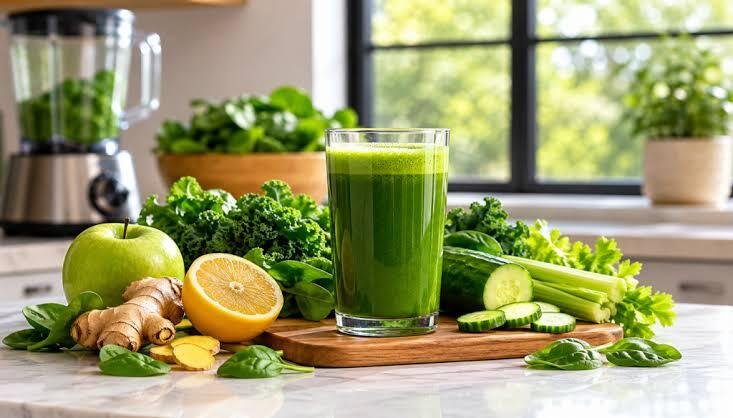
- Recipe: Blend 1 cup of coconut water, ½ cup each of diced pineapple, papaya, and mango, and a handful of fresh spinach or kale with a squeeze of lemon or lime . The tropical fruits mask the earthiness of the greens, creating a vibrant and rejuvenating drink.
Exotic Explorations: Dragon Fruit and Lychee
For those seeking a more adventurous flavor profile, fruits like dragon fruit and lychee offer unique tastes and stunning colors.
- Dragon Fruit & Kiwi: Blend 1 peeled and chopped dragon fruit with 2 ripe kiwis, a few mint leaves, and the juice of half a lemon. This bright pink drink is full of antioxidants and perfect for hydration .
- Lychee & Coconut: Combine 15 peeled and deseeded lychees with 1 cup of fresh coconut water and a pinch of salt. This is a supremely refreshing and electrolyte-rich way to start a hot day .
The Secret of the “POG” and its Variations
The Passion Fruit, Orange, and Guava (POG) blend deserves a special mention due to its immense popularity and versatility.
In commercial settings, the standard “Hawaiian” POG is often made with guava nectar, passion fruit juice cocktail, and no-pulp orange juice. However, making it at home allows you to elevate the experience. A simple “pro tip” from experts is to freeze a portion of your juice in ice cube trays. Using these “POG cubes” instead of regular ice means your drink gets colder without becoming watered down and losing its vibrant flavor .
Beyond the classic, the POG base is incredibly versatile. In the morning, you can enjoy it still and chilled. In the afternoon, you can mix it with sparkling water for a fizzy refresher, or even blend it with ice to create a tropical slushie .
Frequently Asked Questions (FAQs) About Tropical Fruit Juice Blends
Q1. Can I use frozen fruit for my morning juice?
A: Yes, absolutely! Using frozen fruit is a fantastic way to ensure you have the ingredients on hand year-round. It often results in a colder, thicker drink similar to a smoothie, and it works just as well in a blender. If you use a juicer, however, it is best to stick to fresh or fully thawed fruit to avoid clogging the machine .
Q2. What is the best way to prevent my juice from browning?
A: Oxidation is the enemy of fresh juice. The best defense is to drink it immediately. If you need to store it, fill an airtight glass jar to the very brim to minimize air exposure and store it in the fridge. Squeezing a bit of lemon or lime juice into the blend also helps, as the citric acid acts as a natural antioxidant .
Q3. How long can I store homemade tropical juice in the fridge?
A: For the best flavor and nutrient content, fresh juice should be consumed within 15-20 minutes of being made. While you can store it for up to 24 hours, the flavor will degrade, and the juice will separate. Shake it well before drinking if you choose to store it .
Q4. My juice is too sweet. How can I fix it?
A: This is often a sign that the 60/30/10 balance is off. The quick fix is to add more acid. A squeeze of fresh lime or lemon juice can cut through the cloying sweetness and brighten the entire flavor profile. A pinch of sea salt can also enhance the complexity of the flavors, making it taste less one-dimensionally sweet .
Q5. Do I need to add sugar to my tropical juice?
A: Usually, no. Ripe tropical fruits like mangoes, pineapples, and papayas are naturally high in sugar and provide all the sweetness you need. If you prefer a sweeter drink, it is better to add a teaspoon of honey or agave syrup to taste rather than processed white sugar .
Q6. Can I make these juices with a blender, or do I need a juicer?
A: You can absolutely use a blender! Blenders produce a juice that is thicker and higher in fiber because they retain the fruit pulp. If you prefer a smoother, “pulp-free” juice, you can strain the blended mixture through a fine-mesh sieve or a nut milk bag . Juicers separate the pulp, resulting in a thinner, clearer juice.
Q7. What are the best fruits for a “green” tropical juice?
A: The key is to pair the greens with strong, sweet tropical flavors that mask the earthiness. Spinach and kale are excellent and mild enough to disappear into a blend of pineapple, mango, and papaya. Adding a bit of fresh cilantro can also provide a unique, bright flavor dimension that complements the fruit .
Q8. Are tropical fruit blends actually healthier than eating the fruit whole?
A: While a fresh, homemade juice is packed with vitamins and antioxidants, it does lose the fiber that whole fruits provide. The key is to think of juice as a supplement to, rather than a replacement for, whole fruit. In fact, the process of blending makes the nutrients more bioavailable and easier to absorb, allowing for a quick and efficient nutrient hit in the morning .
Conclusion
The perfect tropical juice blend is more than just a breakfast drink; it is a moment of pause, a celebration of natural goodness, and a sensory journey to sun-drenched shores. By understanding the simple principles of flavor balancing, ingredient preparation, and practical storage, you can easily transform your morning ritual. Whether you are drawn to the classic sweetness of a Mango-Pineapple sunrise or the exotic tang of a P.O.G., the world of tropical fruit blending is a delicious adventure waiting to be explored. Cheers to brighter mornings!