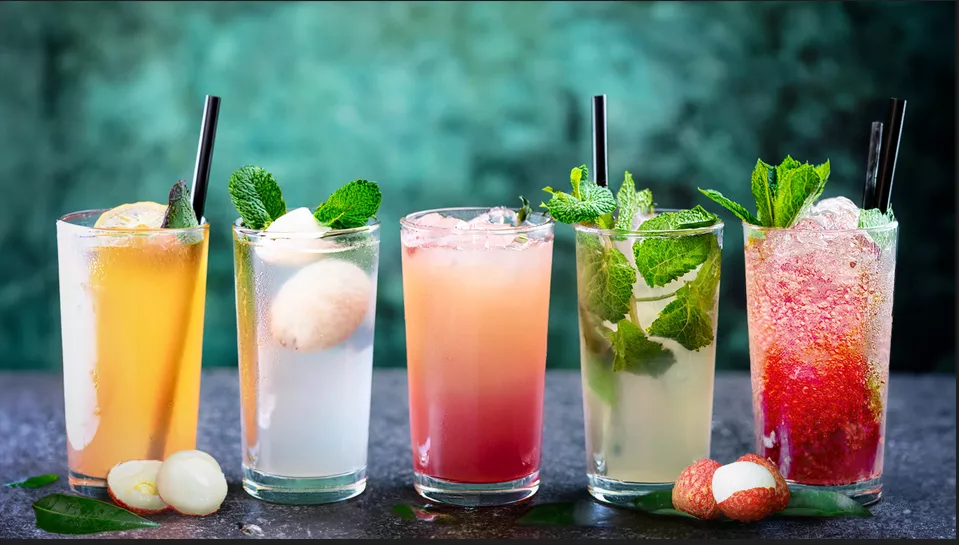
Summer is synonymous with lazy afternoons and the desperate search for something cold to drink. While reaching for a store-bought soda is easy, there’s something infinitely more satisfying about crafting your own refreshing summer mocktails. Not only do you control the sugar and ingredients, but you also get to experiment with flavors that are impossible to find in a can.
This guide dives deep into the world of non-alcoholic summer beverages, focusing on the timeless classics: Lemonade and Iced Tea. We’re moving beyond the powdered mixes to create vibrant, sophisticated drinks that will keep you cool all season long.
The Allure of the Classic Lemonade
Lemonade is the quintessential summer drink, but the basic “lemon + water + sugar” formula is just the beginning. The beauty of a great mocktail is the ability to layer flavors and textures.
1. Elevating the Pink Lemonade
Pink Lemonade isn’t just a color; it’s a flavor profile that can be easily enhanced with real fruit. Instead of artificial dyes, you can achieve that beautiful rosy hue and a tart kick by adding natural red fruit juices. For example, you can add cranberry or raspberry juice to your traditional lemonade base. This not only creates a stunning visual effect but also adds a complex tartness that balances the sweetness.
2. Berry and Herb Infusions
One of the easiest ways to upgrade your lemonade is by incorporating fresh herbs and berries. A Blueberry Mint Lemonade is a perfect example of this. The secret lies in making a simple syrup: combine sugar, water, and fresh mint in a saucepan and bring it to a boil until the sugar dissolves. Once cooled, strain this minty syrup into a pitcher with fresh lemon juice and water. When serving, fill glasses with ice, add a handful of fresh blueberries, and pour the lemonade over the top. For a fizzy twist, top it off with soda water or club soda.
3. The Brazilian Lemonade Trend
If you haven’t tried it yet, Brazilian Lemonade is a creamy, tart delight that has taken social media by storm. Unlike traditional lemonade, this version uses whole limes (including the peel!) blended with water and sweetened condensed milk. The result is a frothy, sweet, and intensely citrusy drink that is incredibly refreshing. While often made with limes, it can also be adapted for a more traditional lemon flavor.
Reinventing Iced Tea: Beyond the Tea Bag
Iced tea is a summer staple, but it doesn’t have to be boring. We’re talking about bold flavors, fruit infusions, and techniques that bring out the best in your brew.
1. The “Homemade” Iced Tea Hack
Forget boiling water on a hot stove. A fantastic “hack” circulating online uses a rice cooker to create a concentrated tea base. By layering lemon slices and rock sugar in the cooker and using the “quick cook” mode, you essentially create a lemon marmalade. When you mix this concentrate with iced black tea, you get a depth of flavor that tastes like it came from a high-end café.
2. The Classic “Dirty” / “Thai” Style
For a more authentic experience, try a “Dirty” tea or Thai-style tea. This involves brewing a strong black tea, often spiced with star anise or tamarind, and mixing it with condensed milk. It’s rich, creamy, and offers a stark contrast to the crisp, light flavors of lemonade or classic iced tea.
3. Fruit-Infused Iced Teas
Similar to lemonade, iced tea is the perfect canvas for fruits and herbs.
- Apple Iced Tea: Muddle fresh apple slices with a bit of honey before adding your brewed and cooled tea.
- Citrus and Mint: Combine lemon, orange slices, and fresh mint in a pitcher. Pour hot tea over the fruit and let it steep until cool. The fruit juices will infuse the tea naturally, reducing the need for added sugar.
- The Sweet and Sour Twist: Another great addition is a Sour Plum Syrup. This is a game-changer for iced tea. Simmer dried plums, rock sugar, water, and a splash of lemon juice until it becomes a thick syrup. Store it in the fridge and stir a spoonful into your iced tea or sparkling water for a sweet, tangy, and savory flavor profile.
The Ultimate “Spa” Experience: Fizzy and Fresh
Sometimes, the most refreshing drink is the simplest one: flavored sparkling water. However, you can give it a “spa” feel by combining herbs and muddled fruit.
A popular technique for a Cucumber Mint Sparkler or Lemon Basil Fizz involves muddling mint and cucumber or lemon and basil in a glass, adding ice, and then pouring sparkling water over the top. It’s zero calories, intensely hydrating, and looks incredibly elegant.
Frequently Asked Questions (FAQs)
1. Can I use honey or agave instead of sugar in these recipes?
Absolutely. While these recipes often call for sugar syrup, you can substitute it with honey, agave nectar, or even maple syrup. The key is to dissolve the sweetener while the mixture is warm so it blends evenly. Adjust the amount to your taste, as honey can sometimes be sweeter or more floral than traditional sugar.
2. What are the best fruits to muddle for mocktails?
Soft fruits like berries, peaches, and melons are excellent for muddling because they release their juices easily. Herbs like mint, basil, and thyme are also fantastic. Just be sure not to over-muddle bitter herbs like mint, as it can release a grassy flavor—a gentle press is usually enough.
3. How can I make my drinks fizzy without using sugary soda?
The best way to add bubbles without the sugar is to use club soda, sparkling water, or soda water. The search results mention that using sparkling water with a neutral flavor profile can enhance the natural fruit flavors without adding extra calories or preservatives.
4. Can I prepare these mocktails in advance for a party?
Yes! You can make the base syrups (like the mint syrup or sour plum syrup) and the tea concentrates up to a week in advance and store them in the fridge. You can also mix the lemonade or iced tea base a day ahead, but wait to add ice and sparkling water until just before serving to avoid watering it down.
5. How do I make my iced tea less bitter?
The bitterness in iced tea often comes from over-brewing or using boiling water on delicate leaves. Try steeping your tea at a slightly lower temperature (around 180°F for black tea) and for a shorter time. Adding a pinch of baking soda to the brewed tea can also help neutralize the bitterness and give it a smoother mouthfeel.
6. Is it expensive to make these at home vs. buying them at a café?
Not at all! Most of the ingredients are pantry staples. The search results mention that making your own mocktails saves money and allows you to control the health aspects, avoiding the high sugar content often found in commercial versions.