Espresso is more than just a quick caffeine fix—it’s the foundation of coffee culture and the heart of countless beloved beverages. Whether you’re chasing that flawless morning shot or crafting sophisticated cocktails for an evening gathering, mastering espresso opens up a world of flavor possibilities. This guide walks you through the science and art of brewing perfect espresso, then explores creative ways to transform it into extraordinary coffee cocktails.
Part 1: The Art and Science of Brewing Perfect Espresso
Understanding the “Golden Rule”
At its core, espresso is a precise brewing method where hot water is forced through finely ground coffee under high pressure. The result is a concentrated, flavorful shot with a signature golden-brown crema on top—that creamy, aromatic layer that signals a well-extracted espresso .
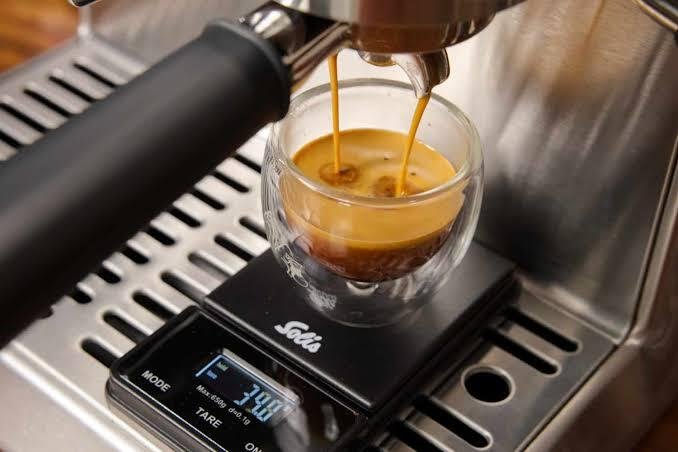
The traditional “golden rule” for a classic espresso is producing approximately 30 ml of liquid in about 25 seconds, using 7-9 grams of coffee, 9-10 bars of pressure, and water temperature between 90-96°C . While this serves as a benchmark, the modern approach embraces the 1:2 brew ratio—using 18 grams of coffee to produce 36 grams of espresso .
Step-by-Step Brewing Guide
Step 1: Warm Up Your Machine
Proper temperature is non-negotiable. Allow your espresso machine to heat for 15-20 minutes until it reaches operating temperature (approximately 116-117°C). Place the portafilter in the group head during this time so it warms evenly, preventing heat loss during extraction .
Step 2: Grind and Dose
Grind your coffee beans immediately before brewing. The grind should be fine and consistent—like table salt or fine sand. Weigh your dose precisely: most commercial setups use 16-18 grams for a double shot . Consistency is key, so use a scale and adjust your grinder until you achieve the right extraction time .
Step 3: Distribute and Tamp
Evenly distribute the grounds in the portafilter basket, then tamp with firm, level pressure—approximately 20 kilograms of force. The surface should be perfectly flat and clean for even extraction . An uneven tamp leads to channeling, where water finds the path of least resistance and under-extracts part of the coffee.
Step 4: Brew and Monitor
Lock the portafilter into place and start the extraction. Monitor the time and weight—you’re aiming for 25-30 seconds to produce your target yield . Watch the flow: it should start slowly and resemble a “mouse tail” (copper in Italian), gradually thickening . The crema should be thick, caramel-colored, and persistent.
Step 5: Taste and Adjust
A perfect espresso balances bitterness, acidity, and sweetness. If your shot runs too fast (under 20 seconds), grind finer. If it runs too slow (over 35 seconds), grind coarser . If it tastes bitter or over-extracted, you may need to adjust your grind finer or reduce the dose slightly.
Troubleshooting Common Issues
| Problem | Likely Cause | Solution |
|---|---|---|
| Fast extraction (<20s) | Grind too coarse | Grind finer |
| Slow extraction (>35s) | Grind too fine | Grind coarser |
| Thin, pale crema | Stale beans or insufficient pressure | Use fresh beans, check machine pressure |
| Bitter taste | Over-extraction | Grind finer or reduce dose |
| Sour taste | Under-extraction | Grind coarser or increase dose |
Part 2: Coffee Cocktails—Elevating Espresso
Once you’ve mastered the perfect shot, espresso becomes a versatile cocktail ingredient. The natural oils and bold flavors of espresso create silky textures and complex profiles when shaken with spirits and sweeteners.
Classic: The Espresso Martini
The Espresso Martini is the undisputed king of coffee cocktails, blending vodka with the smooth richness of espresso . What makes it magical is the science: coffee contains natural oils that, when shaken vigorously with ice, create that signature creamy head of froth .
Ingredients (serves 1):
- 60 ml fresh espresso (cooled)
- 45 ml vodka
- 15 ml coffee liqueur
- 10-15 ml simple syrup or maple syrup
- Ice cubes
- 3 coffee beans for garnish
Method:
- Extract your espresso and allow it to cool slightly
- Combine all ingredients in a shaker filled with ice
- Shake vigorously for 15-20 seconds until the shaker feels icy cold
- Double strain into a chilled martini glass
- Garnish with three coffee beans
Pro Tip: Choose a robust, dark-roasted espresso with cocoa or woody notes. A blend that stands up to the vodka and coffee liqueur will ensure the coffee flavor remains the star .
The Spiced Espresso Martini
For a modern twist, add warming spices to your classic martini. Using a coffee with inherent peppery notes, like Kazaar, creates a more complex flavor profile .
Ingredients:
- 1 shot intense espresso (Kazaar recommended)
- 45 ml vodka
- 15 ml coffee liqueur
- 10 ml maple syrup
- ¼ teaspoon black pepper
- ¼ teaspoon cinnamon
- Cinnamon stick for garnish
Combine all ingredients in a shaker, shake vigorously with ice, and strain into a glass. The pepper and cinnamon balance the sweetness and add intriguing warmth—perfect for colder evenings .
The Espresso Amaretto Sour
This sophisticated cocktail combines the nutty sweetness of amaretto with the richness of espresso and the tartness of lemon .
Ingredients (serves 2):
- 80 ml espresso
- 90 ml amaretto liqueur
- 60 ml lemon juice
- 1 egg white
- Dash of Angostura bitters
- Lemon wedge and cherry for garnish
Method:
- Extract espresso and chill it
- Combine all ingredients in a shaker with ice
- Shake vigorously for at least 15 seconds
- Strain into two glasses
- Add a dash of bitters and garnish
The egg white creates a velvety, foamy texture, while the lemon juice balances the sweetness of the amaretto.
Chilli & Espresso Margarita
For those who like it hot, this bold cocktail combines tequila, citrus, and fresh chilli for a fiery twist .
Ingredients (serves 2):
- 1 shot espresso (Altissio or Arpeggio recommended)
- 45 ml blanco tequila
- 45 ml Cointreau
- 15 ml coffee liqueur
- 1 dash orange bitters
- 1 fresh red chilli, sliced
- Ice cubes
Method:
- Extract espresso and cool
- Combine all ingredients in a shaker with ice and chilli slices
- Shake vigorously
- Double strain into glasses
- Garnish with salt and chilli flakes on the rim for extra kick
Pro Tip: Adjust the spice level to your preference—start with one chilli slice and add more for extra heat.
Festive Coffee Spritz
For a lighter, effervescent option, the coffee spritz combines espresso with Aperol and sparkling wine .
Ingredients (serves 2):
- 60 ml Aperol
- 150 ml sparkling wine
- 120 ml sparkling water
- 1 double espresso shot
- Orange slices for garnish
- Ice cubes
Method:
- Add Aperol, sparkling wine, and sparkling water to glasses with ice
- Shake espresso with ice, then pour into the glasses
- Garnish with orange slices
FAQ
What is the ideal brewing time for espresso?
The standard brewing time is 25-30 seconds for a balanced shot . However, this depends on your recipe and taste preferences—ristretto (short) takes around 20 seconds, while lungo (long) may take up to 35 seconds .
How much coffee should I use for a double shot?
Most baristas use 16-18 grams of ground coffee for a double espresso . The yield should be approximately 32-36 grams of liquid (following the 1:2 ratio) .
Why is my espresso bitter?
Bitterness typically indicates over-extraction. Try grinding slightly coarser or reducing your dose. Also check that your water temperature isn’t too high—aim for 90-96°C .
Can I make espresso without an espresso machine?
True espresso requires high pressure (9 bars) to extract properly . While alternatives like Moka pots produce strong coffee, they don’t achieve the same pressure or create the signature crema of true espresso.
What’s the best coffee for espresso martinis?
Choose a robust, dark-roasted espresso with notes of cocoa or wood that can stand up to the vodka and liqueur . For a spiced martini, coffee with natural peppery or spicy notes adds an extra dimension .
Why do you garnish espresso martinis with three coffee beans?
Three coffee beans represent health, wealth, and happiness—a tradition that adds both symbolic meaning and aromatic appeal to the drink.
What’s the difference between ristretto, normale, and lungo?
These terms refer to the brew ratio:
- Ristretto: 1:1 to 1:1.5 (short, intense)
- Normale: 1:2 to 1:3 (balanced, classic espresso)
- Lungo: 1:3 to 1:4 (longer, more extracted)
How important is coffee freshness?
Extremely important. Coffee beans are best used within 3 months of roasting—and ideally, ground just before brewing . Stale beans produce thin crema and flat flavor.
Final Thoughts
Mastering espresso is a journey of precision and practice. By controlling the variables—dose, grind, temperature, and time—you can consistently produce exceptional coffee. And once you’ve perfected your shot, the world of coffee cocktails offers endless creative possibilities. Whether you prefer the classic Espresso Martini or adventurous creations like the Chilli & Espresso Margarita, great espresso is the foundation of unforgettable drinks.
Remember: the “perfect” espresso is ultimately the one that tastes best to you. Experiment, adjust, and enjoy the process.